


Artritisa eta artrosia oso antzekoa ez ezik, gorputzari era berean eragiten dioten gaixotasunak dira: hezurretan, artikulazioetan, lotailuetan eta kartilagoan eragiten dute. Symptoms such as joint pain and difficulty moving also occur in both cases. However, there is quite a big difference between them. We will try to bring some clarity to these concepts. We will explain how arthritis and arthrosis manifest themselves, what is the difference between these diseases and how they are treated.
Artritisaren eta artrosiaren arteko aldea
Artritisa artikulazioen hantura da. Arthrosis is an age-related change in cartilage tissue (destruction of cartilage).
Artritisa is a very broad term that is used to describe different types of conditions that cause joint inflammation. Each type of inflammation has its own name, for example, rheumatoid arthritis, osteoarthritis (arthrosis, arthrosis deformans). Artritisa edozein adinetan gerta daiteke.
Artrosia (osteoartrosia, artrosia) - one of the most common types of arthritis, which occurs when cartilage tissue wears out. Our joints are mobile due to cartilage, its elasticity and smoothness. Its destruction results in direct contact between the bones in the joints, causing pain. Arthrosis is an age-related change that occurs in old age.
Also, arthritis and arthrosis have differences in:
- Sintomak
- Arrisku-faktoreak.
- Sailkapenak.
- Diagnostikoak.
- Tratamendua.
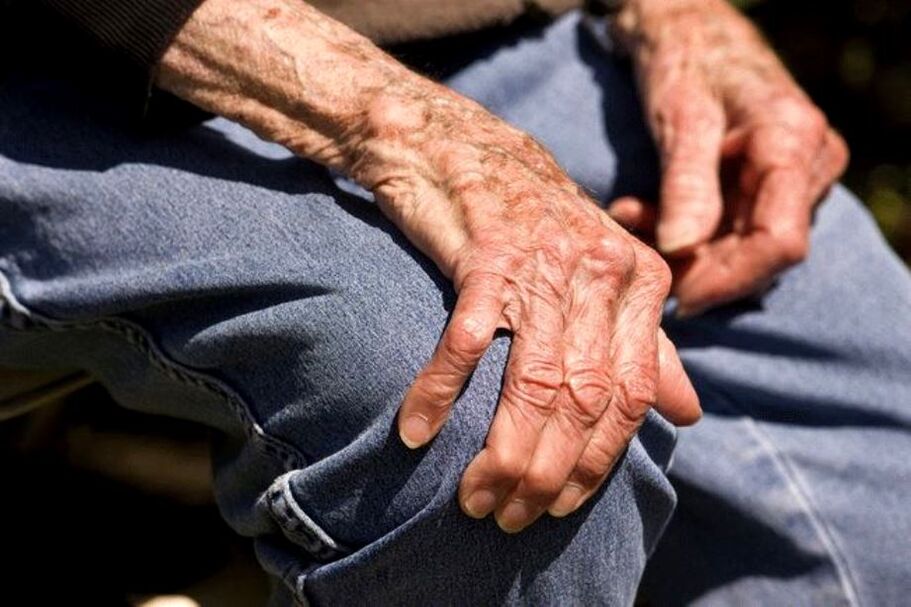
Sintomak
Symptoms of arthritis may also be present with arthrosis, but the nature of these symptoms is different. For example, joint pain is present in both cases, but pain with prolonged strain and stress is common only with arthrosis.
Arthritis
It is important to understand that the symptoms of one type of arthritis are sometimes completely different from the symptoms of another. But here are some symptoms that are commonly observed among all types of arthritis:
- Pain. It usually hurts at night and may subside as the duration of movement increases (for example, when walking during the day).
- Edema and swelling. If you have not had any injuries and when comparing both knees or wrists, one of them appears to be swollen, this may indicate arthritis.
- Feelings of joint displacement. There may be a feeling that the joints are shifting and pushing against each other.
- Fatigue. Edozein hanturazko gaixotasunekin, sistema immunologikoa aktibatzen da eta borroka aktiboa hasten da, honek gorputzaren ahultze orokorra eta nekea dakar.
- Fever and loss of appetite. Inflammation not only reduces energy levels, as mentioned earlier, but can also lead to fever and loss of appetite.
- Redness and skin rash. Usually occur near inflamed joints.
- Limited range of motion in affected joints. It goes without saying that pain makes any movement difficult. Performing simple household chores or engaging in your favorite hobby becomes difficult due to acute pain in arthritic joints.
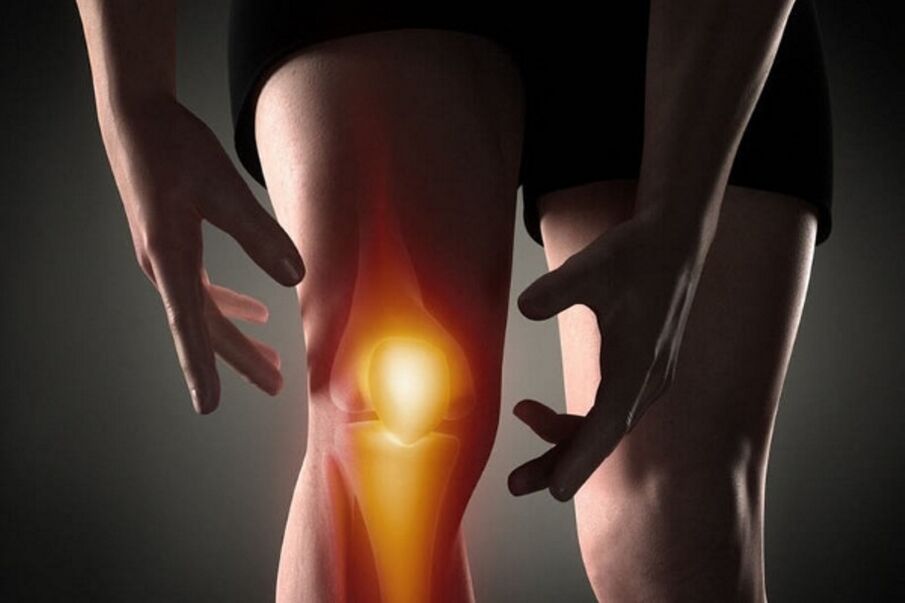
Arthrosis
Hona hemen artrosiaren sintoma ohikoenak:
- Pain. Pain is felt in the specific joint affected by arthrosis and varies depending on the degree of damage to the cartilage. The more cartilage is destroyed, the more pain a person will experience. Unlike arthritis, where pain often occurs at night or at rest, pain with arthrosis often occurs during the day: while walking, running, etc. Touching the skin over the painful joint can also cause pain.
- Decreased mobility. It is especially noticeable after a long period of inactivity, for example after a night's sleep.
- Crunch. When moving with arthrosis, you can hear specific sounds (not a light clicking sound, but a heavy and rough sound). This is the result of the breakdown of cartilage, which is designed to provide smooth, painless friction between joints.
- Deformation. With arthrosis (especially in the later stages), various deformations of bones and joints can occur: nodules, growths. Ez dago hanturarik, artritisarekin bezala.
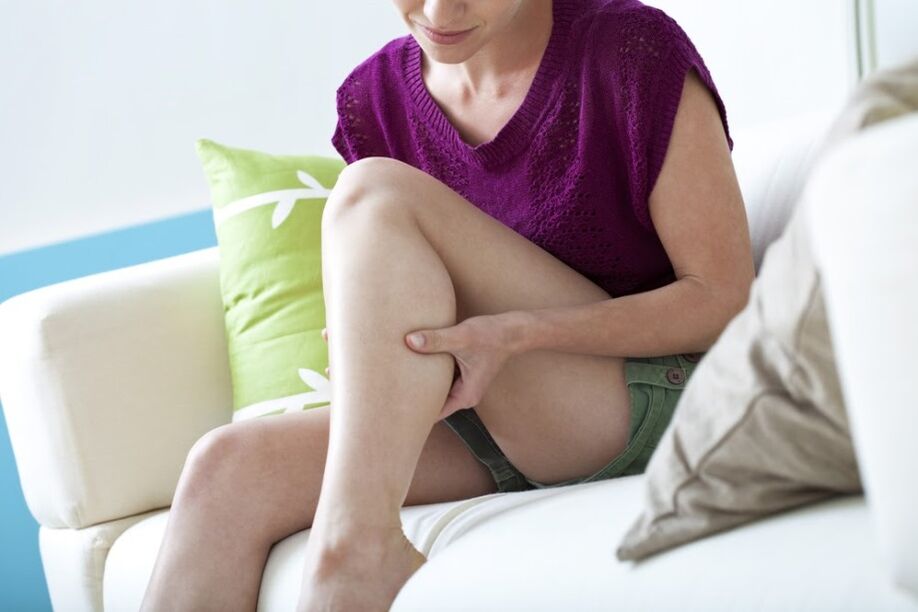
Risk factors
Some factors may be the same for both diseases, while others are different.
- Age. Arrisku-faktore ohikoenetako bat. As you age, your chances of getting arthrosis or other types of arthritis increase tenfold. In this case, arthrosis mainly affects older people, and arthritis can occur at any age.
- Weight. Pertsona batek zenbat eta pisu handiagoa izan, orduan eta presio handiagoa jasotzen dute artikulazioek. Horrek artrosia eta artritisa garatzeko aukerak areagotzen ditu.
- Injury. Gaztetan artrosia izateko arriskua areagotu egiten da aurretik hezurretan edo artikulazioetan lesioak jasan badituzu.
- Genetics. Familiako kide askok artrosia pairatzen bazuten, probabilitate handia dago gaixotasun honekin ere topo egiteko. Hala ere, zure genetikak ez du artritisa izateko aukera handitzen.
- Activity. If you are constantly engaged in work that requires you to put a lot of stress on your bones, joints and cartilage, your chances of developing arthrosis increase.
By the way, a research group at the University of Oxford recently discovered a marker in the blood that can identify the risk of developing arthritis before the onset of symptoms, even at an early age (up to 16 years).

Sailkapena
Artritisa
- Osteoarthritis (osteoarthritis, osteoarthritis) is the most common type of arthritis and develops due to wear and tear of cartilage and painful friction between joints.
- Rheumatoid arthritis - This type of arthritis usually affects all joints of the body except the lower back. This is an autoimmune disease, the causes of which are not fully understood. A person can get sick at any age (even small children suffer from the disease).
- Ankylosing spondylitis mainly affects the spine. It develops in the vertebrae and discs. This is an autoimmune disease.
- Cervical arthritis occurs for various reasons, but the main one is age. About 85% of people over 80 suffer from this disease.
- Gout is a rare type of arthritis that causes inflammation of various joints. This disease occurs due to increased levels of uric acid in the blood. Orain goxa arraroa da.
- Psoriatic arthritis is a type of arthritis that is characterized by inflammation of the skin and joints. With this disease, inflammation of the tendons and cartilage is observed; the eyes, lungs and even the aorta can also suffer.
- Reactive arthritis occurs as the body's response to an attack by bacteria and infections. The causative agents are intestinal and genitourinary infections. The disease causes swelling of the fingers and toes, and lower back pain.
- Juvenile arthritis is an autoimmune disease that affects children under 16 years of age. Leads to the destruction of bones and joints, problems with development and growth.
- Post-traumatic arthritis - occurs as a result of previous injuries (fractures, cracks, sprains).
Artrosia
The following types of arthrosis exist:
- Cervical arthrosis affects the cervical vertebrae, occurs in old age, and can be caused by stress and chronic neck diseases. Symptoms include neck pain and muscle spasms.
- Facet syndrome is most common among older adults and causes back pain, especially when the person is in an upright position. Poor posture can cause facet syndrome.
- Coxarthrosis is arthrosis of the hip joint. The hip joint is a hinge joint and is one of the strongest in the body. However, in old age it becomes worn out, and coxarthrosis is also often found in athletes and overweight people.
- Lumbar arthrosis affects the lower back. It can be caused by scoliosis and abdominal obesity (accumulation of fatty tissue in the upper torso).
Diagnostikoak
Diagnosis of both joint diseases includes:
- Inkesta. Mina noiz gertatu den, zein artikulaziotan, minaren izaera eta iraupena, lanbidea, zein kasutan areagotzen den mina, iraganeko gaixotasun infekziosoak, lesioak, etab.
- Visual inspection and palpation. Inspection for visible signs: swelling, redness, nodules.
- Azterketak.
- X izpiak eta MRI.
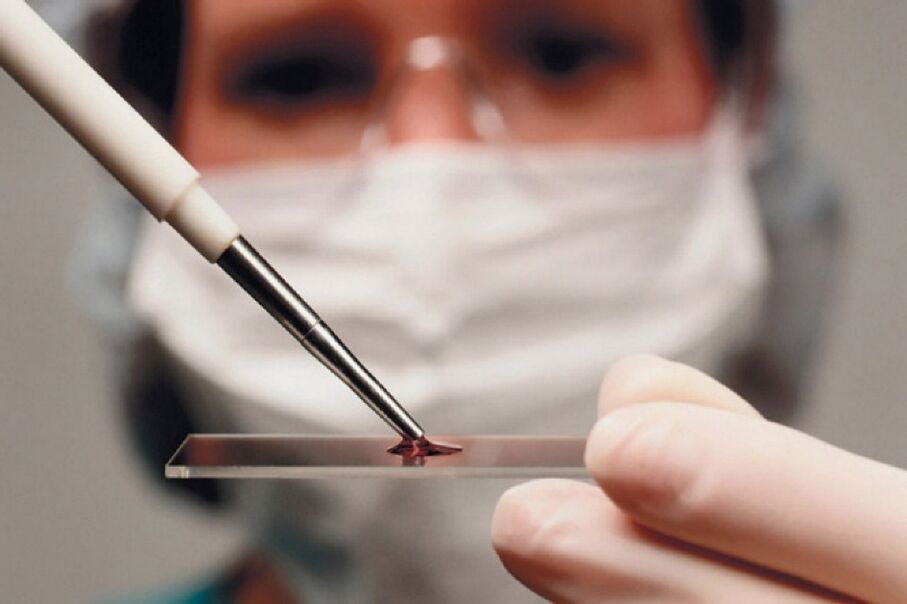
What is the difference between diagnosing arthritis and arthrosis? Artritisa hanturazko gaixotasuna denez, hantura ikusiko da odol-analisi batean. Tests for arthrosis are clear; X-rays or MRI are usually used for diagnosis.

Tratamendua
Artritisa
Tratamendu aukera desberdinak daude gaixotasunaren larritasunaren arabera. Artritisa tratatzeko helburu nagusia artikulazio-hanturaren kausa kentzea da.
- Sendagaiak. Artritis erreumatoidearen tratamenduak botika ezberdinen konbinazioa eskatzen du. Analgesikoez gain, zure medikuak mina murrizteko esteroideen aurkako antiinflamatorio bat, antibiotikoak eta botika hormonalak ere agindu ditzake.
- Bizimoduaren doikuntzak - dieta eta ariketa artikulazioetan presioa arintzeko. Beharrezkoa da kaltzio handiko elikagaiak kontsumitzea (hezurren indarra suspertzeko) eta proteina ugariak (muskulu sendoak eraikitzeko).
- Esku-hartze kirurgikoa. Ebakuntzak prozedura txikietatik ebakuntza handietara (giltzaduraren ordezkapena) dira.

Artrosia
Artrosia tratatzeko helburu nagusia kaltetutako kartilagoak berreskuratzea da. Tratamenduak barne hartzen ditu:
- Medicines in tablets are chondroprotectors.
- Injekzioak - kortikoideak eta azido hialuronikoa hantura murrizteko eta mugikortasuna areagotzeko.
- Massage therapy. Ondoko olio esentzialak dira bereziki eraginkorrak: laranja, jengibrea, izpilikua, erromeroa, sándaloa eta eukaliptoa.
- Therapeutic gymnastics.
- Kirurgia - Kaltetutako artikulazioak artifizialekin ordezkatu daitezke mina murrizteko eta mugikortasuna hobetzeko.
- Bizimoduaren doikuntzak - dieta eta ariketa artikulazioetan presioa arintzeko. Beharrezkoa da kaltzio handiko elikagaiak kontsumitzea (hezurren indarra suspertzeko) eta proteina ugariak (muskulu sendoak eraikitzeko).
Conclusions
- Artritisa artikulazioen hantura da. Artrosia adinarekin erlazionatutako kartilago-ehunaren aldaketa bat da (kartilagoaren suntsipena).
- Artrosia adineko pertsonengan (50+) gertatzen da (gazteetan ere gerta daiteke, baina oso gutxitan eta lesio larri baten ondoren). Artritisa edozein adinetan gerta daiteke (baita haurrengan ere).
- Artrosiarekin, artikulazioek min egiten dute jarduera fisikoan. Artritisarekin, mina gauez gertatzen da.
- Artrosiarekin, mina handitzen da mugimenduan zehar, artritisarekin gutxitzen da.
- Artrosiak gehienetan belauneko eta aldakako artikulazioetan eragiten du. Artritisa edozein artikulaziotan gerta daiteke; urruneko hainbat artikulazio edo batek min egin dezake.
- Artritisa, hanturazko gaixotasun gisa, odol-analisi baten bidez diagnostikatu daiteke, artrosia ezin.